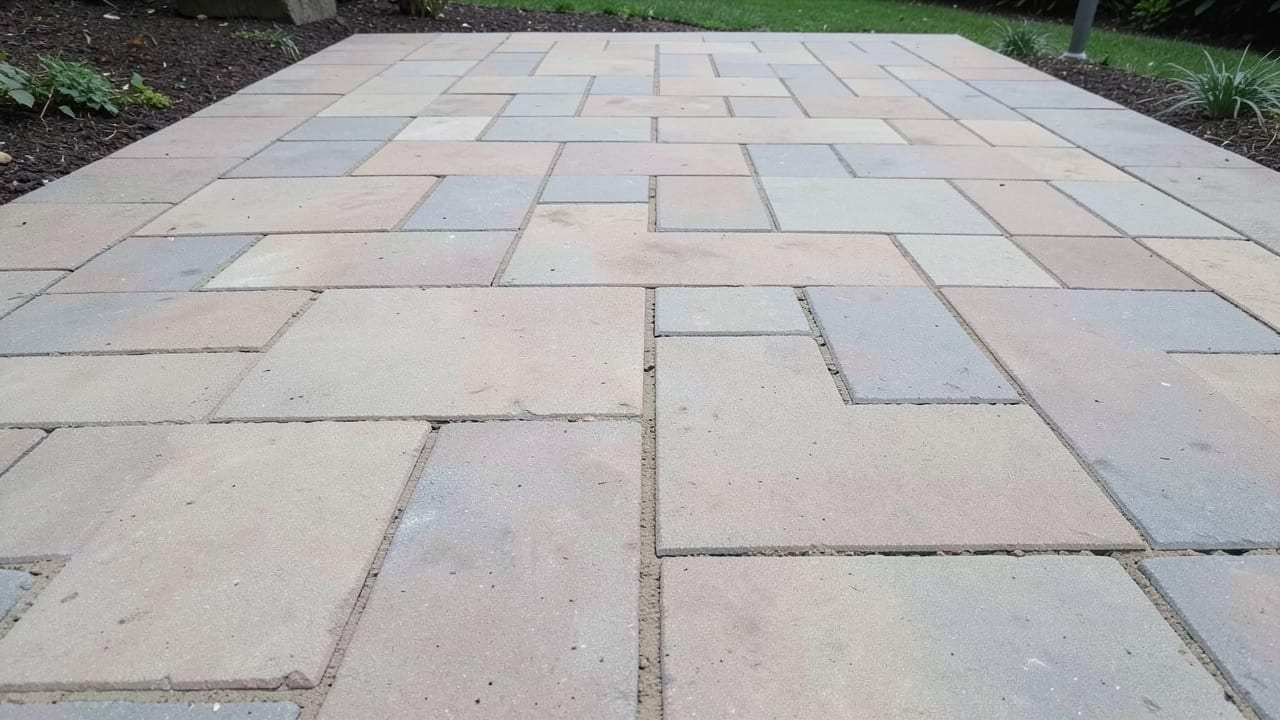
Stone Patios Cleaning
High-pressure washing to remove dirt, stains, and grime from stone patio surfaces.
Stone patios in Bellevue’s climate face unique challenges—moss, algae, and mineral deposits build up over time, dulling natural stone like flagstone or travertine. Pressure washing restores their appearance while preserving the material, but the process requires careful attention to mortar condition, pressure settings, and chemical treatments to avoid damage.
A thorough clean extends the life of your patio and prevents costly repairs down the road.
We also handle Mailbox Cleaning and Exterior Door Cleaning for Bellevue properties.
When your stone patio needs cleaning
Not all discoloration is just dirt. A greenish or black film on shaded areas is algae or mildew, while a white, chalky haze is efflorescence—a mineral deposit from moisture.
Dark staining concentrated below downspouts or rooflines often signals runoff carrying dirt to one spot. These signs indicate it’s time for cleaning before minor issues worsen.
Mortar joints that look recessed or crumble under gentle pressure are another warning sign. Weak mortar absorbs moisture more easily, accelerating erosion and giving algae a foothold. Ignoring these signs can lead to structural issues that cost far more to fix than a professional cleaning.
Signs Your Stone Patio Needs Cleaning
- White, patchy haze (efflorescence) on brick or stone—common in damp areas like Bellevue’s shaded patios.
- Greenish or black film on shaded surfaces (algae or mildew), worse on north-facing or low-sun areas.
- Dark staining directly below downspouts, gutters, or rooflines—indicates concentrated runoff.
- Mortar joints that appear recessed, crumble slightly when touched, or show signs of erosion.
- Visible pitting or loss of texture on softer stone or older brick after years of weather exposure.
What affects pricing and timing?
The size of your patio is the most straightforward factor, but the condition of the stone and mortar adds complexity. Weak or crumbling mortar requires lower pressure and extra care, slowing the process.
Efflorescence or deep-seated staining may need a pre-treatment soak or specialized chemical, which also impacts time and cost.
Season matters too. Washing masonry right before freezing temperatures risks trapping moisture in the stone, leading to freeze-thaw damage. Spring or fall, when temperatures are moderate, is ideal for cleaning without risking material stress.
What to watch for in a quote
Not all pressure-washing quotes are created equal. A reliable estimate should specify the PSI (pressure) and method (pressure wash vs. soft wash) for each surface—stone patios require lower pressure than concrete or driveways.
Bundled pricing that lumps together unrelated services (like roof cleaning with patio work) can hide risks or omit details.
Ask whether pre-existing damage, like loose mortar or cracked stone, will be addressed—and how. Some companies exclude such repairs from the initial quote, leaving you with unexpected costs. Chemicals used should also be disclosed, as their strength and runoff effects on landscaping or pets vary widely.
Red Flags in a Pressure-Washing Quote
- No PSI or method specified for each surface—stone requires lower pressure than concrete or wood.
- Price far below comparable bids for the same square footage—may indicate rushed or low-quality work.
- No mention of chemicals used or their impact on nearby plants or pets.
- Full payment demanded before the job starts—leaves no recourse for missed spots or damage.
- Pressure to add extra services on the spot without a separate written price.
How stone patio cleaning works
A proper stone patio cleaning balances pressure, chemistry, and technique to restore appearance without damaging the material.
- 1Inspect Mortar and Stone
Before cleaning, the technician checks mortar joints for crumbling or recession. Weak mortar requires lower pressure to avoid accelerating erosion. The stone’s hardness and condition (e.g., pitting or efflorescence) also dictate the approach.
- 2Apply Low-to-Medium Pressure
Pressure washing is done at 1,200–2,000 PSI, directed *across* the stone face—not straight into joints—to prevent mortar damage. Softer stone or older brick may need even lower pressure to avoid pitting.
- 3Treat Stains and Efflorescence
A masonry-safe solution breaks down algae, mildew, and efflorescence without scrubbing, which can pit softer materials. The chemical soaks in for 5–10 minutes before rinsing to lift deep-seated grime.
- 4Detail Joints and Edges
Corners, window sills, and areas near mortar are finished with reduced pressure and closer distance control. This balances removing grime from the stone’s texture while protecting weakened joints.
- 5Rinse and Re-Inspect
A final rinse clears loosened residue, and mortar joints are checked again—wet conditions reveal deterioration that was hidden under years of dirt. Any compromised areas are noted for potential repointing.
Frequently asked questions
Will pressure washing damage my stone patio?
If done correctly, no—but improper pressure or technique can pit softer stone or erode mortar. A professional checks mortar condition first and adjusts pressure accordingly. Older or softer materials (like travertine) require even lower PSI than harder stone.
Why does my patio have white spots after cleaning?
White spots are likely efflorescence, a mineral deposit from moisture moving through the stone. It’s not dirt and won’t wash away permanently without addressing the moisture source (e.g., redirecting downspouts or improving drainage). A vapor-permeable sealer can help prevent recurrence.
Can I clean my stone patio myself?
DIY cleaning risks damaging the stone or mortar if pressure is too high or chemicals are too harsh. Renting a pressure washer without proper training can strip sealants, pit soft stone, or accelerate joint erosion. Hiring a pro ensures the right PSI, chemicals, and technique for your patio’s material.
How often should I clean my stone patio?
In Bellevue’s climate, patios benefit from cleaning every 1–3 years, depending on exposure to shade, runoff, and foot traffic. Regular inspections for algae, efflorescence, or mortar wear can extend time between cleanings. Sealing after cleaning (every 2–5 years) also reduces future buildup.
Where Bellevue sits, and what the Census lists nearby
Bellevue sits in Washington, and the closest places listed in the U.S. Census Gazetteer are Beaux Arts Village (2.4 miles west), Clyde Hill (3.6 miles northwest), Mercer Island (4.2 miles southwest), Yarrow Point (4.4 miles northwest).
Within 25 miles of Bellevue the same source lists 110 distinct incorporated places and census-designated places.
Those figures matter for stone patios cleaning because they are straight-line distances between Census coordinate points: road mileage between Bellevue and Beaux Arts Village runs longer than the 2.4 miles shown, which is why quotes for the same job differ between towns that look close together on a map.
Source: U.S. Census Bureau Gazetteer.
See Issaquah, WA for more, or take a look at everything on offer in Bellevue on a single page for our complete lineup.
Ready to get started?
Talk to a local pressure washing pro in Bellevue — get a written quote.
Other Pressure Washing Services in Bellevue
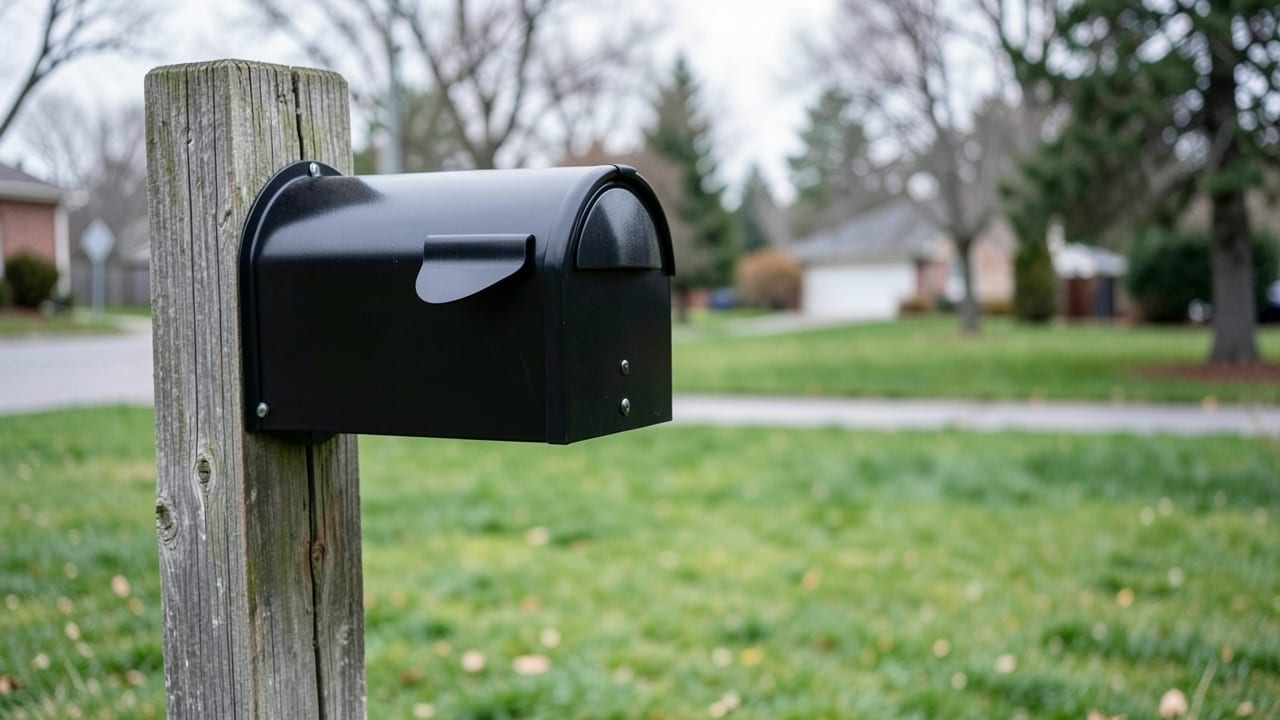
Mailbox Cleaning in Bellevue, WA
Pressure washing to remove dirt, grime, and stains from mailboxes.
Learn More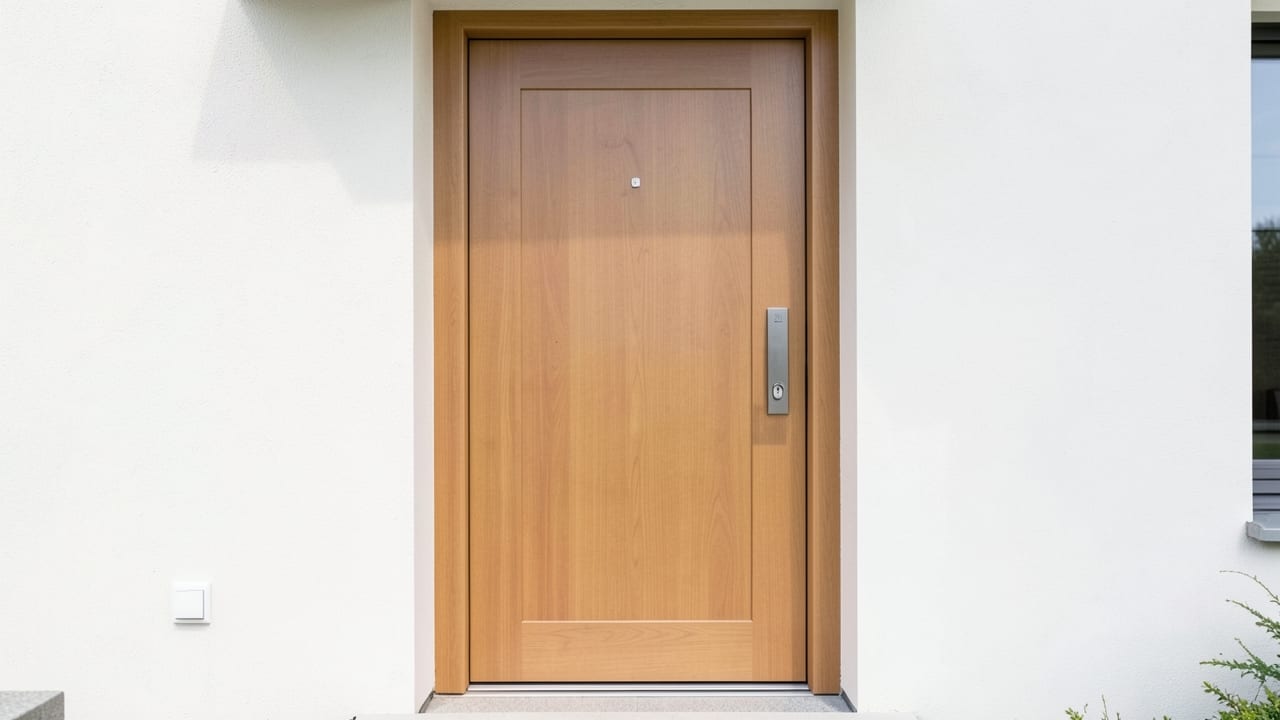
Exterior Door Cleaning in Bellevue, WA
High-pressure cleaning to remove dirt, grime, and stains from exterior doors.
Learn More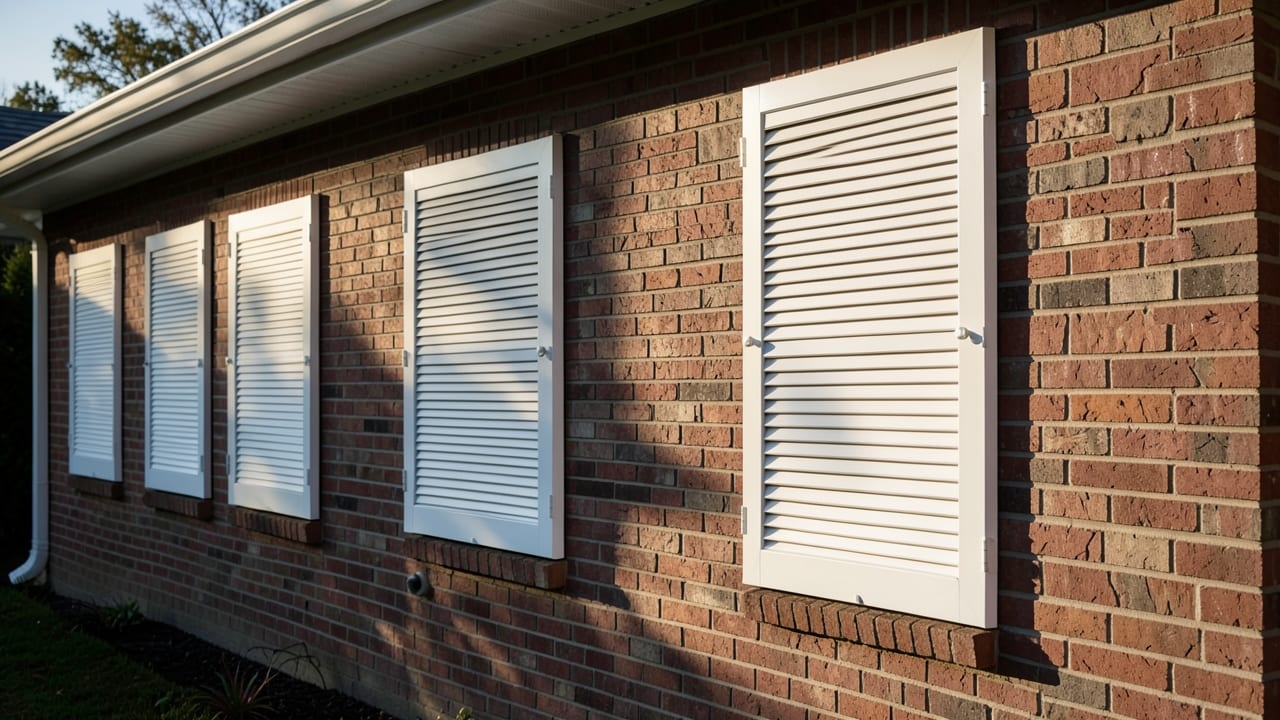
Shutter Cleaning in Bellevue, WA
Professional pressure washing to remove dirt, grime, and debris from exterior shutters.
Learn More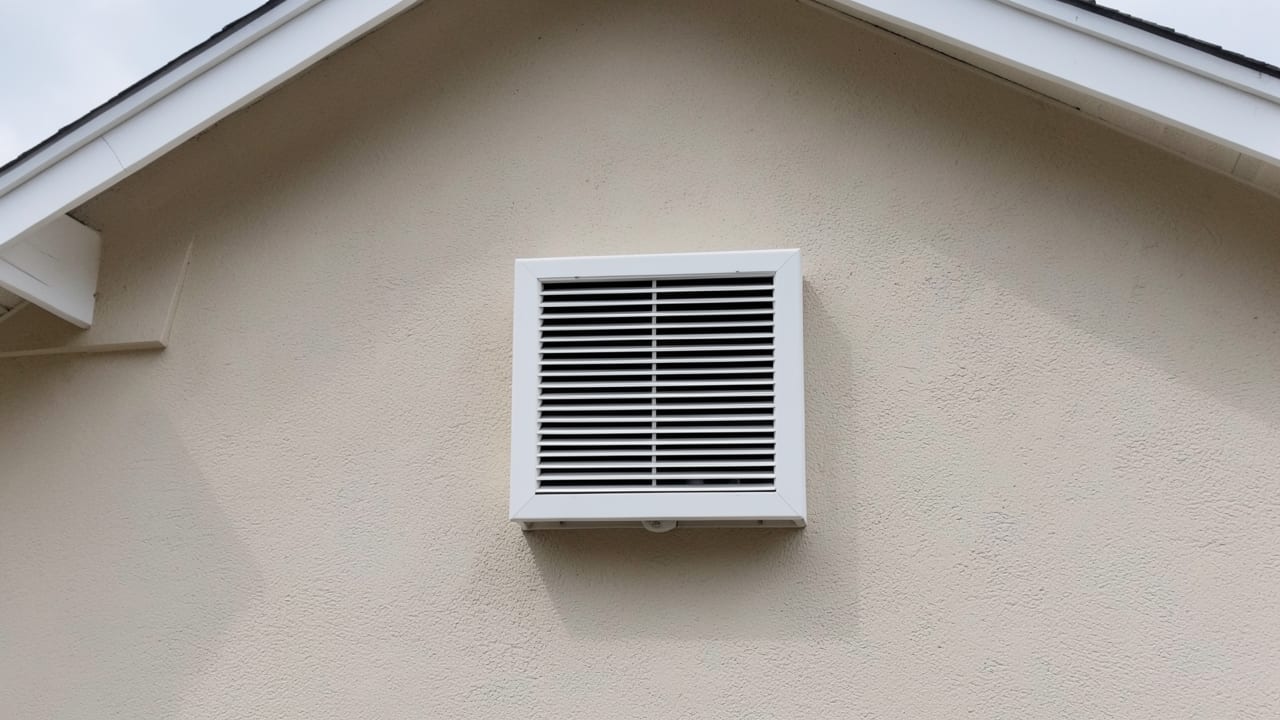
Exterior Vent Cleaning in Bellevue, WA
Professional cleaning of exterior vents using pressure washing to remove dirt, debris, and blockages.
Learn More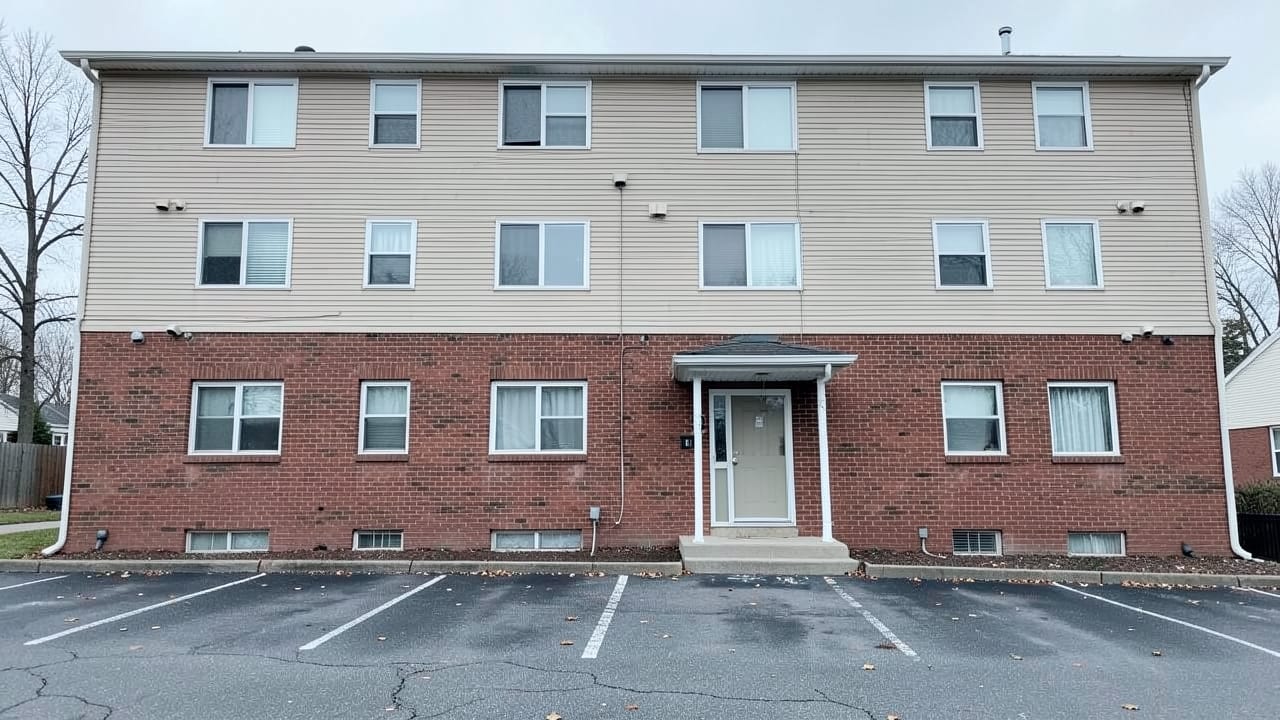
Apartment Complex Washing in Bellevue, WA
High-pressure cleaning of apartment building exteriors, walkways, and common areas to remove dirt and grime.
Learn More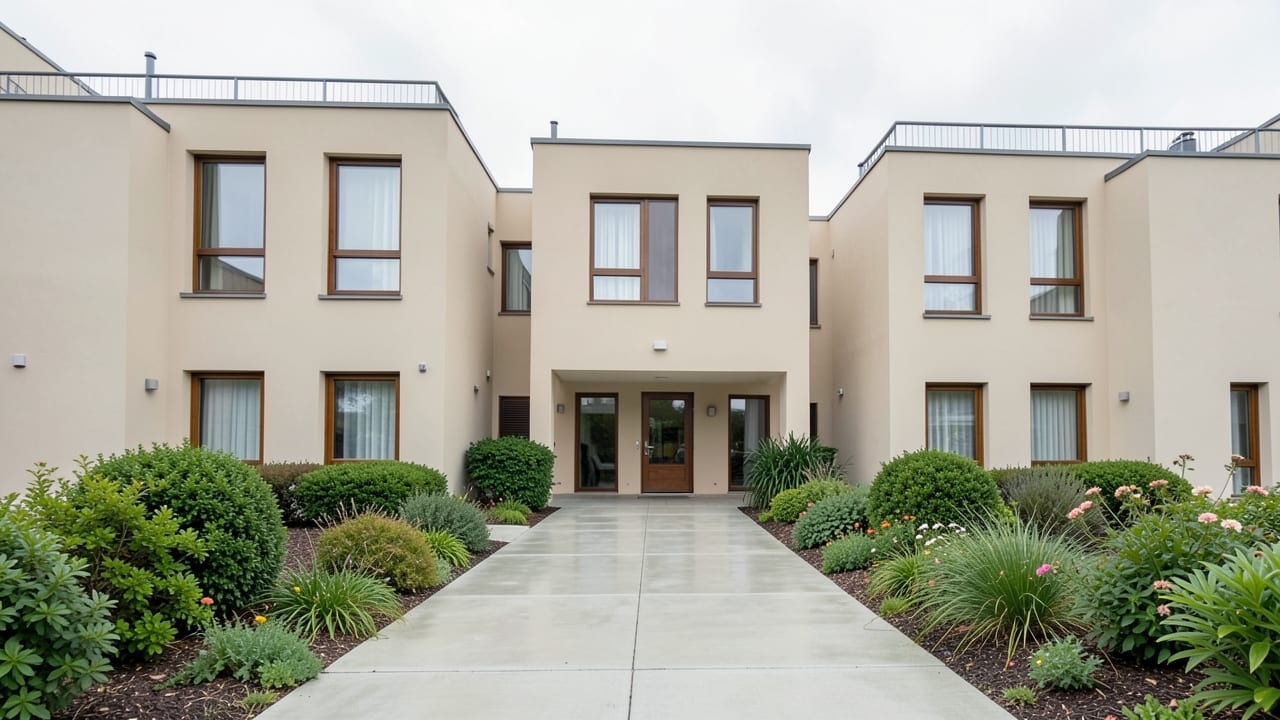
Condo Association Washing in Bellevue, WA
High-pressure cleaning of condo association exteriors, walkways, and common areas to remove dirt and grime.
Learn MoreCommon Questions About Pressure Washing in Bellevue
Everything you need to know about pressure washing services in Bellevue
How much does Stone Patios Cleaning typically cost in Bellevue, WA?
Does winter road salt affect driveway washing needs in Bellevue, WA?
How often should a home's exterior actually be washed?
Are the cleaning chemicals used in soft washing safe for landscaping and pets?
Would home insurance cover damage caused by improper pressure washing?
Can pressure washing strip paint or an existing sealant off a surface?
Need Pressure Washing in Bellevue?
Get a written quote from our Bellevue crew.
⏰ We answer your call • Serving all of Bellevue and surrounding areas