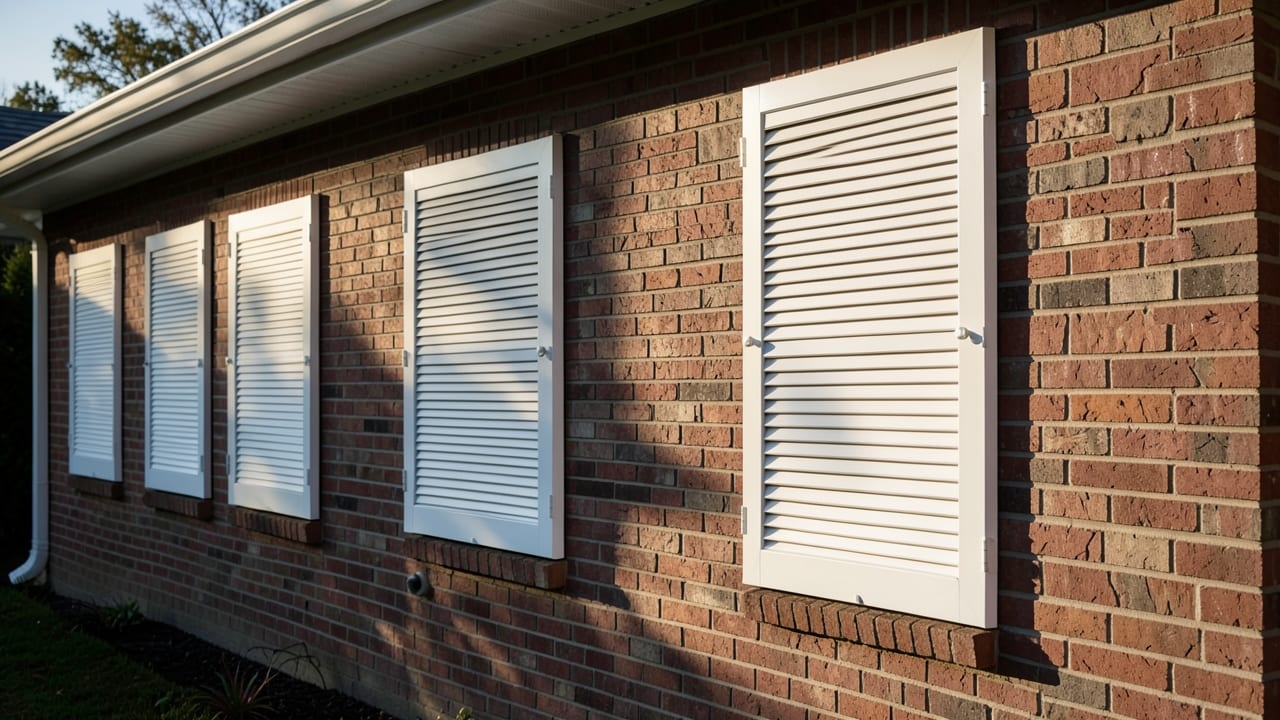
Shutter Cleaning
Professional pressure washing to remove dirt, grime, and debris from exterior shutters.
In Bellevue, WA, shutter cleaning restores the appearance and extends the life of your home’s exterior shutters by removing accumulated dirt, pollen, and mildew.
Using pressure washing tailored to the material—vinyl, wood, or aluminum—our process ensures a deep clean without damaging delicate surfaces, while protecting landscaping and fixtures from overspray or chemical runoff.
We also handle Algae Treatment and Spring Pollen Removal for Bellevue properties.
When shutter cleaning is needed
Shutters in Bellevue often show gradual buildup from pollen, dust, and moisture, especially on north-facing walls or shaded areas where algae and mildew thrive. Green or black streaking, a chalky residue when touched, or visible dirt in corners and under eaves are clear signs it’s time to clean.
Ignoring these signals lets grime spread faster, requiring more aggressive (and riskier) methods later.
A quick test reveals how dirty your shutters are: Remove a small item like a house number or planter and compare the covered area to the exposed surface. If the exposed section looks faded or discolored, your shutters need attention.
Similarly, cobwebs or insect debris collecting in hard-to-reach spots often signal it’s time for a full clean—before the rest of the shutters follow.
Signs Your Shutters Need Cleaning
- Green or black streaks on shutters (algae/mildew—common on shaded or north-facing walls).
- A fine, chalky residue when running a hand across the surface (oxidation or grime buildup).
- Visible dirt or cobwebs in corners, under eaves, or around light fixtures (early-stage grime accumulation).
- Fading or discoloration when comparing a covered patch (e.g., behind a removed planter) to exposed areas.
How shutter materials affect cleaning
Not all shutters can handle the same cleaning approach. Vinyl shutters, for example, require low-pressure washing (under 500 PSI) to avoid cracking seams, while wood shutters may need a gentler soft-wash method to prevent warping or stripping stains.
Aluminum shutters are more durable but still need the right pressure and detergent to avoid pitting or finish damage. Using the wrong method can force water behind panels, leading to hidden mold or rot.
The cleaning process also varies by shutter condition. Heavily stained or mold-infested shutters may need a pre-treatment dwell time with a specialized detergent before rinsing, while lightly soiled shutters can be cleaned in a single pass.
Always ask for a method tailored to your shutter material—never assume a one-size-fits-all approach will work.
| Material | Safe Pressure Range | Key Risk if Over-Pressured | Pre-Treatment Needs |
|---|---|---|---|
| Vinyl | <500 PSI | Cracked seams or warping | Mild detergent for general grime; stronger for algae |
| Wood | Soft-wash only (no pressure) | Stripped stain, warping, or splintering | Wood-safe detergent; may require hand-scrubbing for deep stains |
| Aluminum | 500–800 PSI (wide-fan tip) | Pitting or finish damage | Algae/mildew treatment if discoloration is present |
Protecting your home and landscape
Before any nozzle turns on, landscaping near the foundation is wetted down and covered to prevent detergent runoff from damaging plants or soil. Exterior outlets, light fixtures, and vents are bagged or shielded, as overspray is a more common complaint than the wash itself.
This step isn’t just about aesthetics—chemical residue left on plants or in gutters can harm them over time.
Even with precautions, some areas are more vulnerable. Sprinkler heads aimed at shutters or gutters overflowing onto siding can accelerate dirt buildup, while vegetation touching the walls keeps that section damp and prone to algae.
Trimming back plants and ensuring gutters are clear before cleaning maximizes the longevity of your results.
Forcing water behind shutters (e.g., aiming a nozzle directly into seams) can trap moisture inside, leading to mold or rot. Always use a wide-fan tip and keep the wand at a consistent distance—never press it against the surface. If your shutters have visible cracks or loose panels, these should be repaired *before* cleaning to prevent water infiltration.
How shutter cleaning works
- 1Prep and Protection
Landscaping near the shutters is wetted and covered, and fixtures like outlets or vents are bagged. This prevents chemical runoff from damaging plants or seeping into the home’s structure.
- 2Detergent Application
A low-pressure spray applies a material-specific cleaning solution (e.g., algae-killing detergent for wood, mild cleaner for vinyl) and lets it dwell to break down grime chemically.
- 3Gentle Rinse
Shutters are rinsed with a wide-fan tip at <500 PSI, working top to bottom in overlapping passes. Stubborn stains get a targeted, low-pressure reapplication—not higher pressure, which risks damaging seams.
- 4Final Inspection
A clear-water rinse removes residue, and the shutters are checked for missed spots or damage in daylight. Any lifting panels or uneven cleaning are addressed before leaving the site.
Frequently asked questions
How often should I clean my shutters in Bellevue?
In Bellevue’s damp climate, shutters on shaded walls or near trees may need cleaning every 1–2 years, while those in sunnier areas can go 2–3 years. Check for chalky residue or streaking annually—these signs indicate it’s time.
Will pressure washing damage my wood shutters?
No, but wood shutters *must* be cleaned with a soft-wash method (no pressure). High-pressure washing can strip stain, cause warping, or splinter the wood. Always specify wood shutters when requesting a quote.
Can I clean my shutters myself, or should I hire a pro?
DIY cleaning risks uneven streaking, water damage behind panels, or chemical harm to plants. Professionals use low-pressure techniques, material-matched detergents, and protective measures to avoid these pitfalls—especially critical for vinyl or aluminum shutters.
Why do some shutters stay clean longer than others?
Sun exposure, moisture, and nearby vegetation play a role. North-facing shutters or those under trees stay damp longer, speeding up algae growth. Trimming back plants and ensuring gutters aren’t dripping onto the walls can extend the time between cleanings.
Where Bellevue sits, and what the Census lists nearby
Bellevue sits in Washington, and the closest places listed in the U.S. Census Gazetteer are Beaux Arts Village (2.4 miles west), Clyde Hill (3.6 miles northwest), Mercer Island (4.2 miles southwest), Yarrow Point (4.4 miles northwest).
Within 25 miles of Bellevue the same source lists 110 distinct incorporated places and census-designated places.
Those figures matter for shutter cleaning because they are straight-line distances between Census coordinate points: road mileage between Bellevue and Beaux Arts Village runs longer than the 2.4 miles shown, which is why quotes for the same job differ between towns that look close together on a map.
Source: U.S. Census Bureau Gazetteer.
See Preston, WA for more, or take a look at how our Bellevue crew can help in detail for our complete lineup.
Ready to get started?
Talk to a local pressure washing pro in Bellevue — get a written quote.
Other Pressure Washing Services in Bellevue
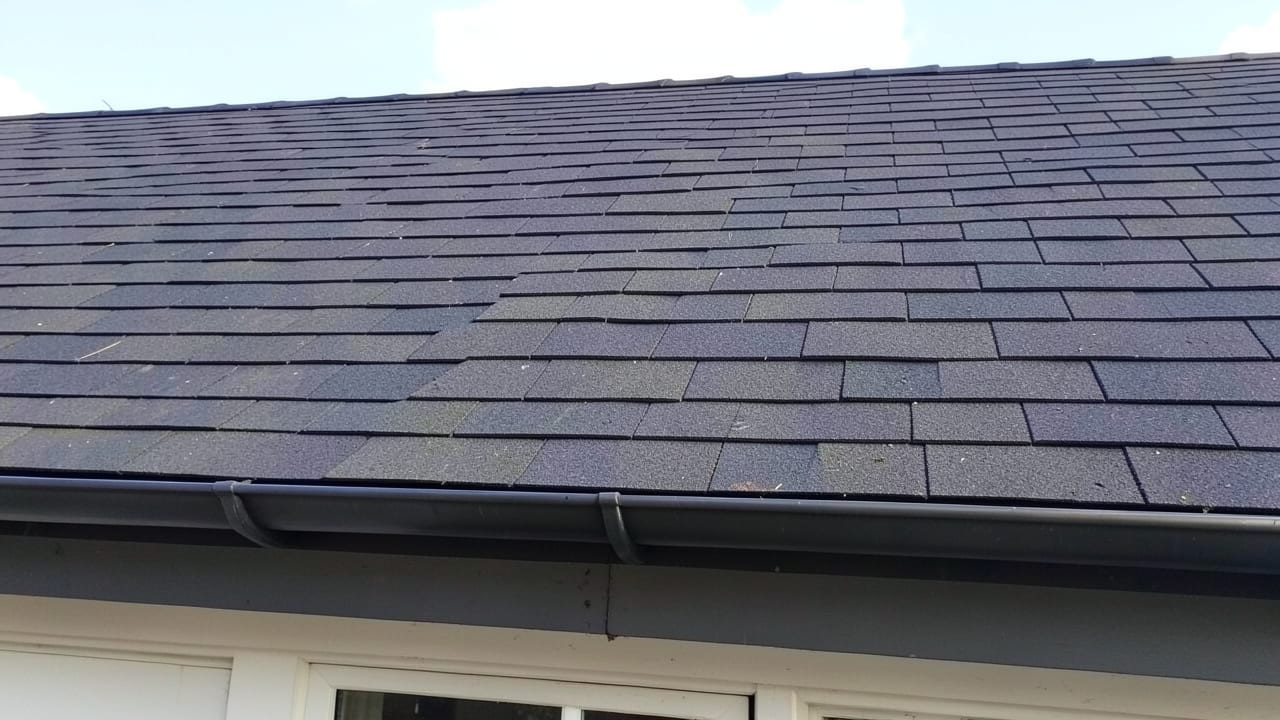
Algae Treatment in Bellevue, WA
Professional pressure washing to remove algae from exterior surfaces like roofs, siding, and driveways.
Learn More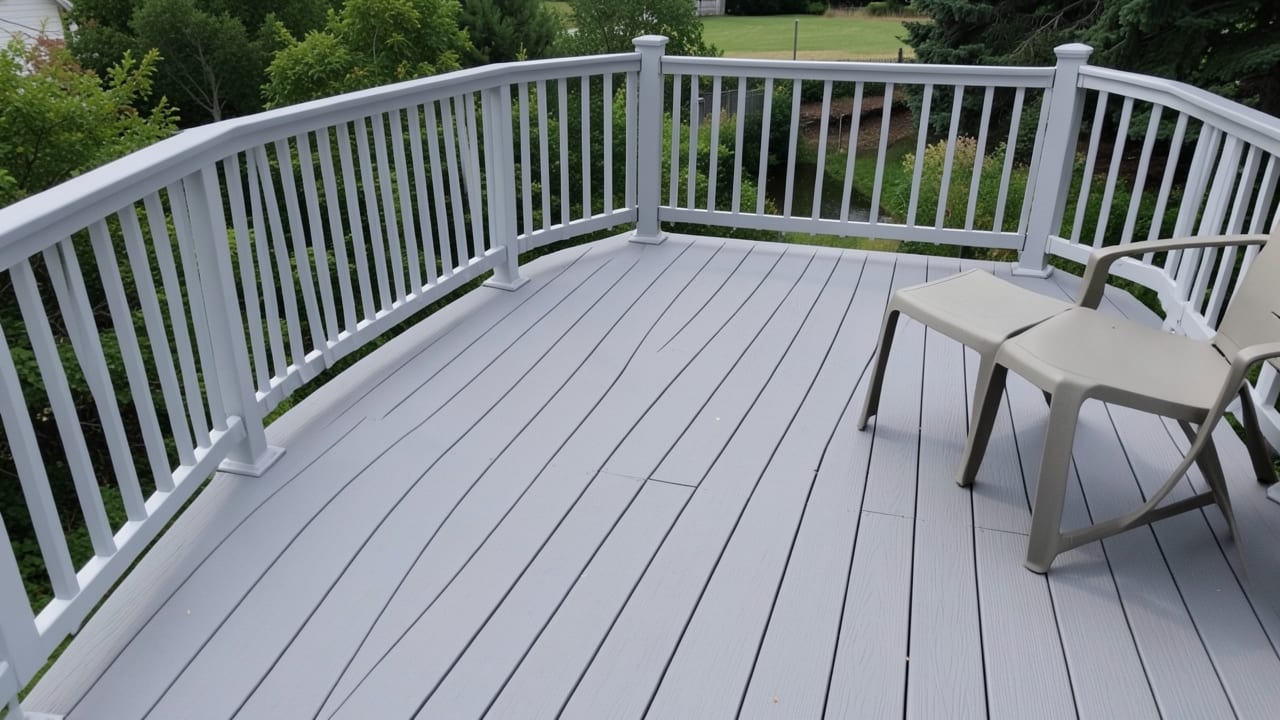
Spring Pollen Removal in Bellevue, WA
High-pressure washing to remove pollen buildup from exterior surfaces.
Learn More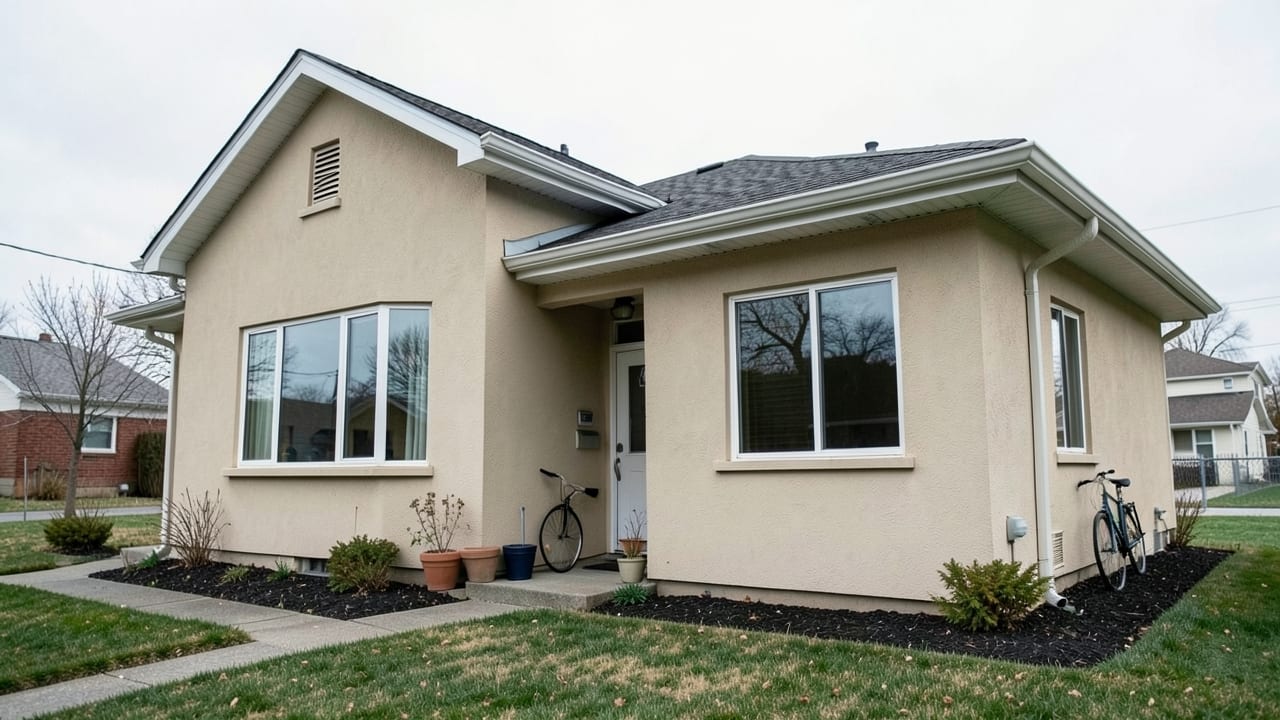
Pre-Sale Exterior Refresh in Bellevue, WA
High-pressure cleaning of home exteriors, driveways, decks, and walkways to remove dirt, grime, and stains.
Learn More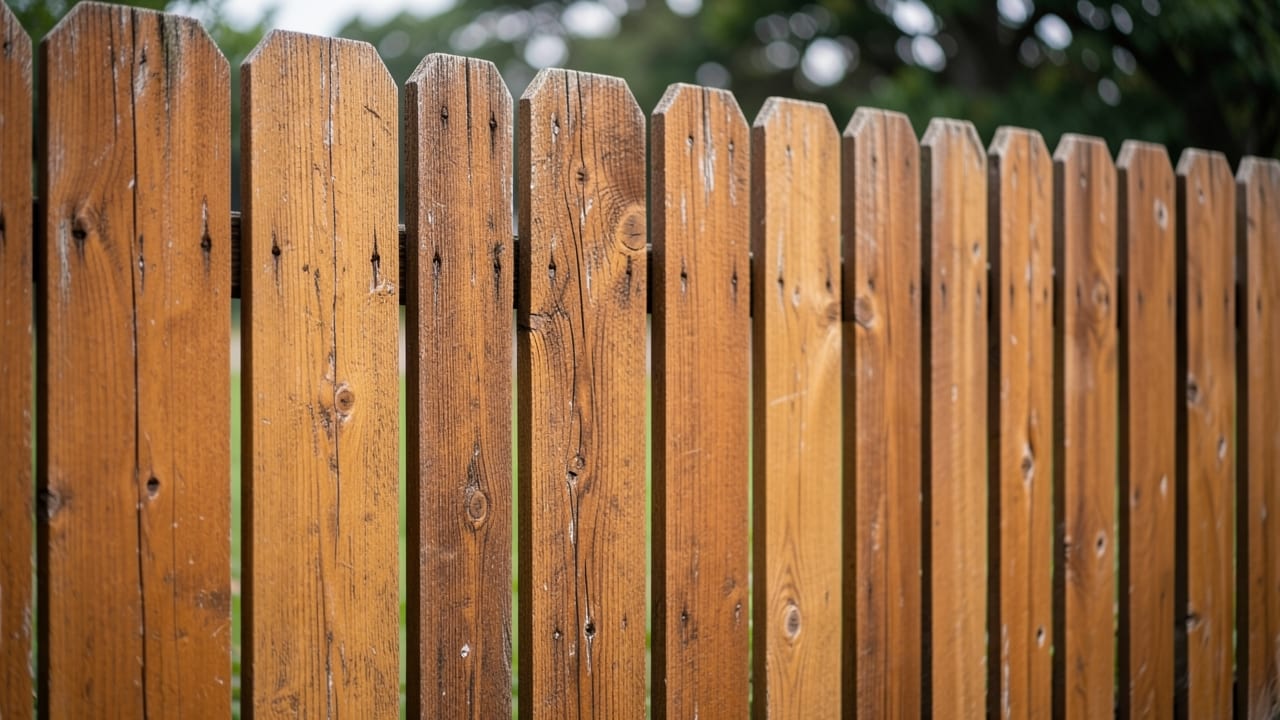
Restoration Wash in Bellevue, WA
High-pressure cleaning to remove dirt, grime, and stains from exterior surfaces.
Learn More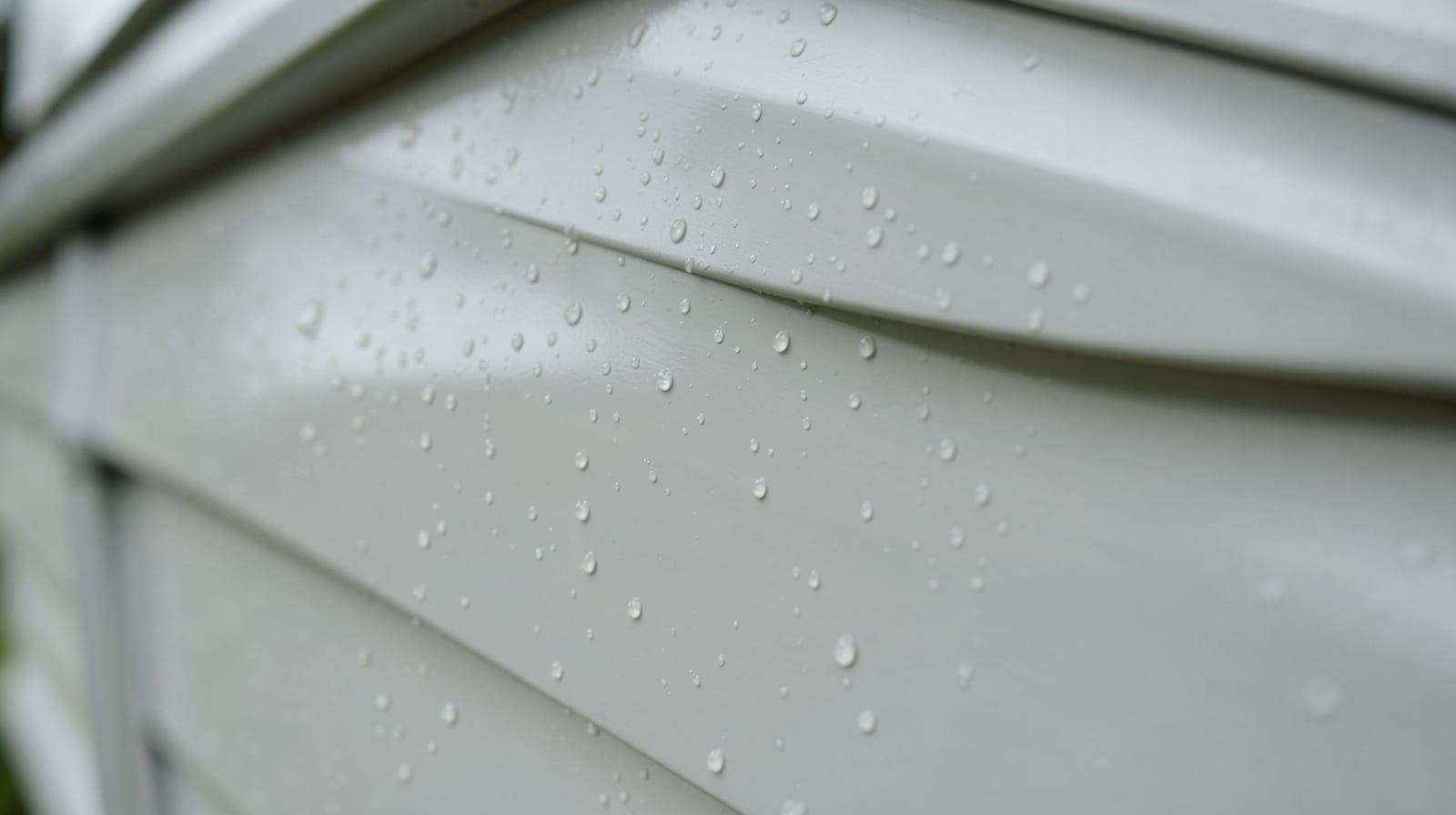
House Washing in Bellevue, WA
Soft-wash exterior house washing for siding, brick, and stucco in Bellevue, WA — removes dirt, moss and algae, without damaging the surface.
Learn More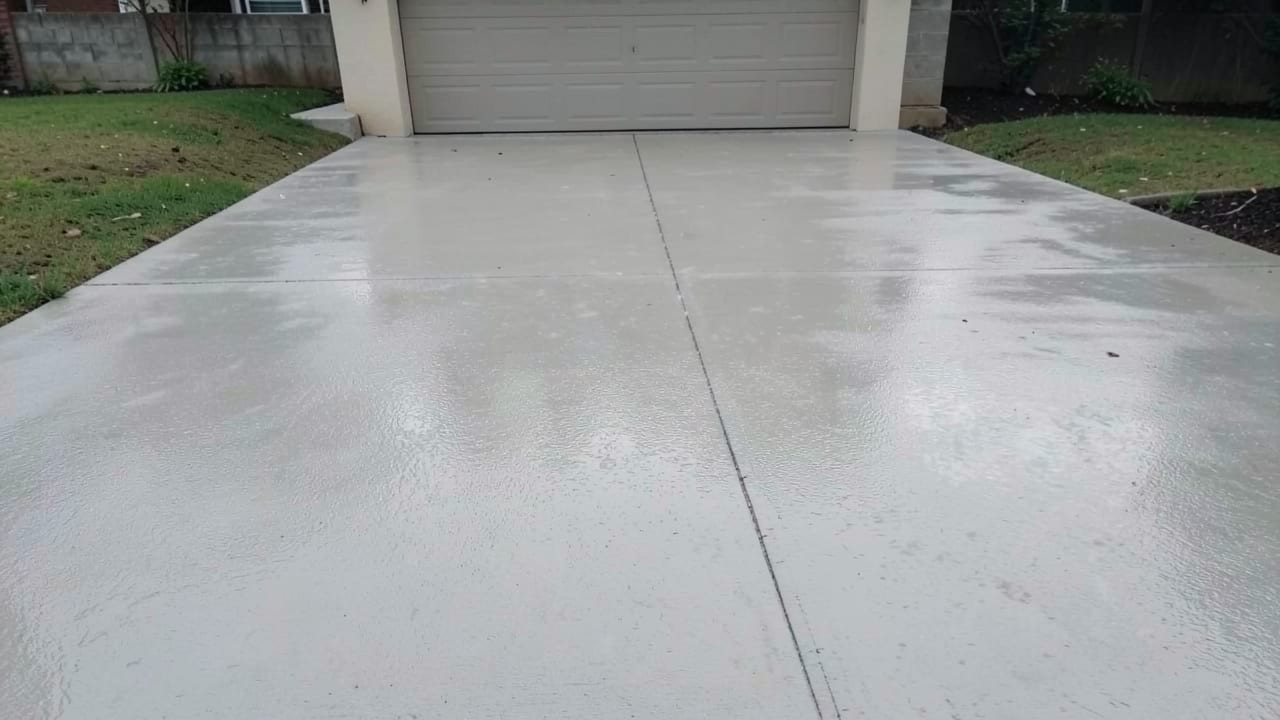
Driveway & Concrete Cleaning in Bellevue, WA
Pressure washing for driveways, walkways, and patios in Bellevue, WA — lifts oil stains, tire marks, and moss and algae from concrete.
Learn MoreCommon Questions About Pressure Washing in Bellevue
Everything you need to know about pressure washing services in Bellevue
How much does Shutter Cleaning typically cost in Bellevue, WA?
Does winter road salt affect driveway washing needs in Bellevue, WA?
Can pressure washing strip paint or an existing sealant off a surface?
Is renting a pressure washer and doing the job at home a reasonable option?
How long does washing a typical house exterior take?
Can pressure washing damage concrete, pavers, or mortar joints?
Need Pressure Washing in Bellevue?
Get a written quote from our Bellevue crew.
⏰ We answer your call • Serving all of Bellevue and surrounding areas